

IMPAACT4HIV

On this page, explore how research drives progress in AHD care — with access to key studies, clinical trial results, guidelines, and insights shaping policy and practice across sub-Saharan Africa.

This page offers clinical resources, training tools, patient support, policy content, multimedia, and accessibility features — all designed to support comprehensive care and education.

Bridging the Gaps in ADVANCED HIV Disease (AHD) Care

Turning Knowledge Into Lifesaving Action.

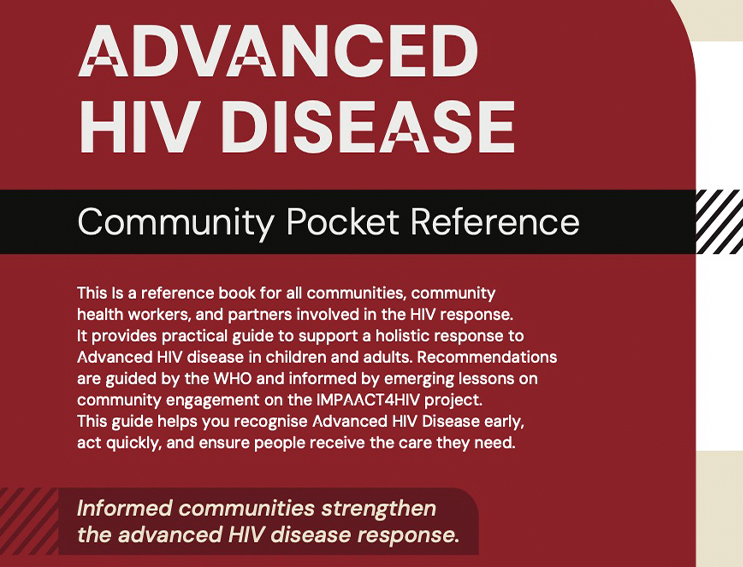
Welcome to the Advanced HIV Disease (AHD) Resource Hub

This hub brings together practical tools, guidance, and real-world learning to support early identification, treatment, and ongoing care for people living with advanced HIV disease. Supporting:
  • Health workers delivering AHD care
  • Communities and caregivers supporting people living with HIV
  • Programme teams strengthening systems and services

Find What You Need

Choose your starting point

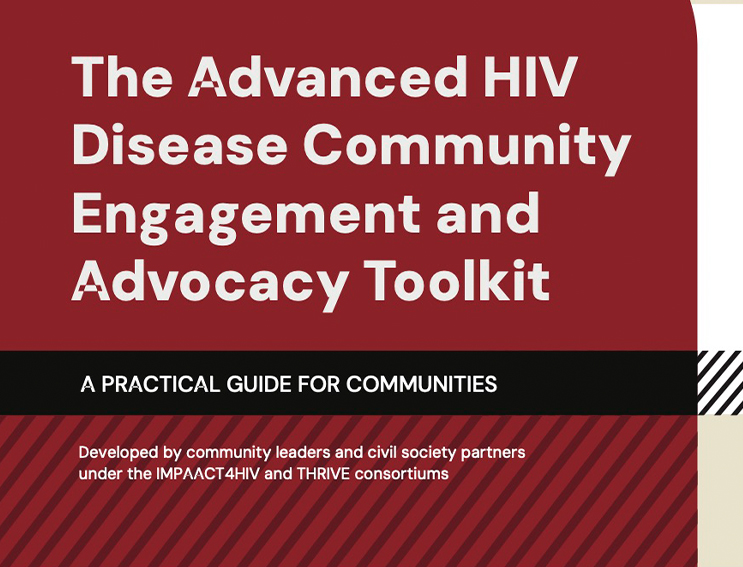
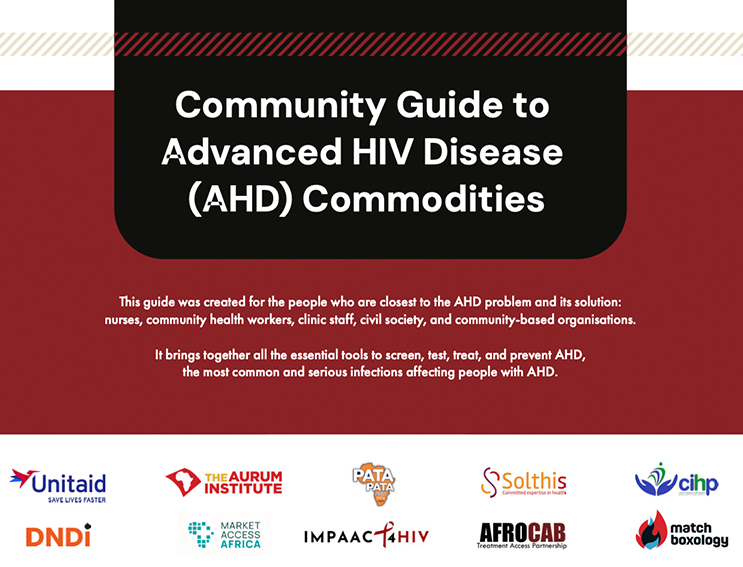
For Health Workers

Support screening, diagnosis, treatment, and follow-up care for people with AHD.

For Communities & Caregivers

Learn how to recognise risk, support treatment, and help people stay in care.

For Programme & Policy Teams

Access evidence, tools, and guidance to strengthen AHD services.

Find What You Need

Choose your starting point

For Health
Workers

Support screening, diagnosis, treatment, and follow-up care for people with AHD.

For Communities & Caregivers

Learn how to recognise risk, support treatment, and help people stay in care.

For Programme & Policy Teams

Access evidence, tools, and guidance to strengthen AHD services.

Latest Tools
& Guidance

Explore the most recent resources, tools, and updates.


What is Advanced HIV Disease (AHD)?

Advanced HIV Disease (AHD) is defined by WHO as:

  • A CD4 count below 200 cells/mm³ in adults, adolescents, and children aged 5 years and older
  • In settings where CD4 testing is not available, WHO stage 3 or 4 conditions may be used to identify AHD
  • All children under 5 living with HIV are considered to have AHD unless they are stable on ART for more than one year.

AHD increases the risk of serious infections such as tuberculosis (TB), cryptococcal meningitis, histoplasmosis and severe bacterial infections. Early identification and treatment are critical to preventing illness and death.

Source: WHO 2025 AHD Guidelines

Why this Matters

Despite being preventable, Advanced HIV Disease (AHD) continues to claim lives due to missed opportunities in testing, timely diagnosis, and access to care.

Each year, more than

0

people die from AIDS-related disease (UNAIDS report 2025), including

0

children (UNICEF, 2024)

Over

0 Million

people are estimated to be living with AHD, with more than

0

deaths expected each year. (NEJM, 2024)
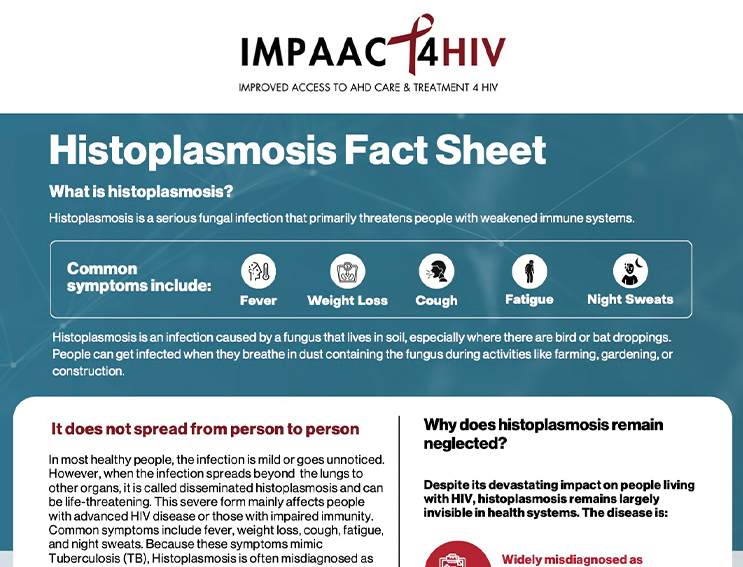
Despite advancements in HIV treatment, advanced HIV disease still causes significant illness and death. Many are diagnosed late or face treatment interruptions. Improving early detection, prompt treatment, and ongoing support is crucial to reducing mortality and enhancing outcomes.

Latest Resources

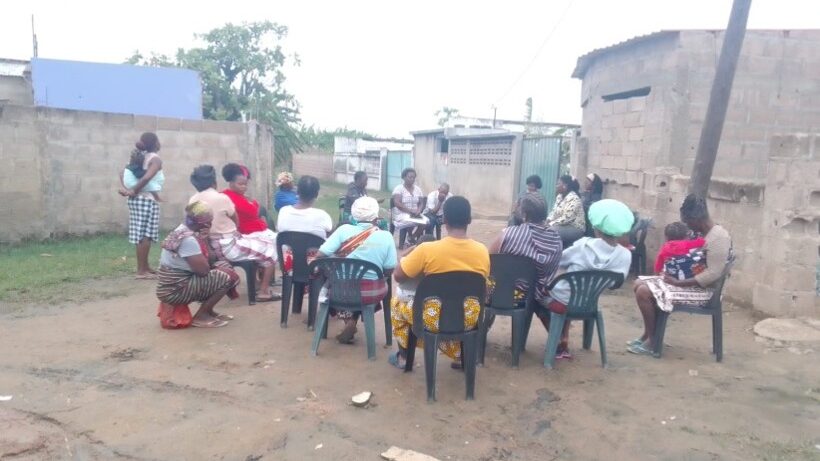
Community Stories

From Evidence to Action: Using Community-Led Monitoring to Strengthen AHD Services

Country & district/site: Mozambique – Matola Provincial Hospital and Manhiça Health CentreOrganisation: MATRAMMain AHD area:

Read More

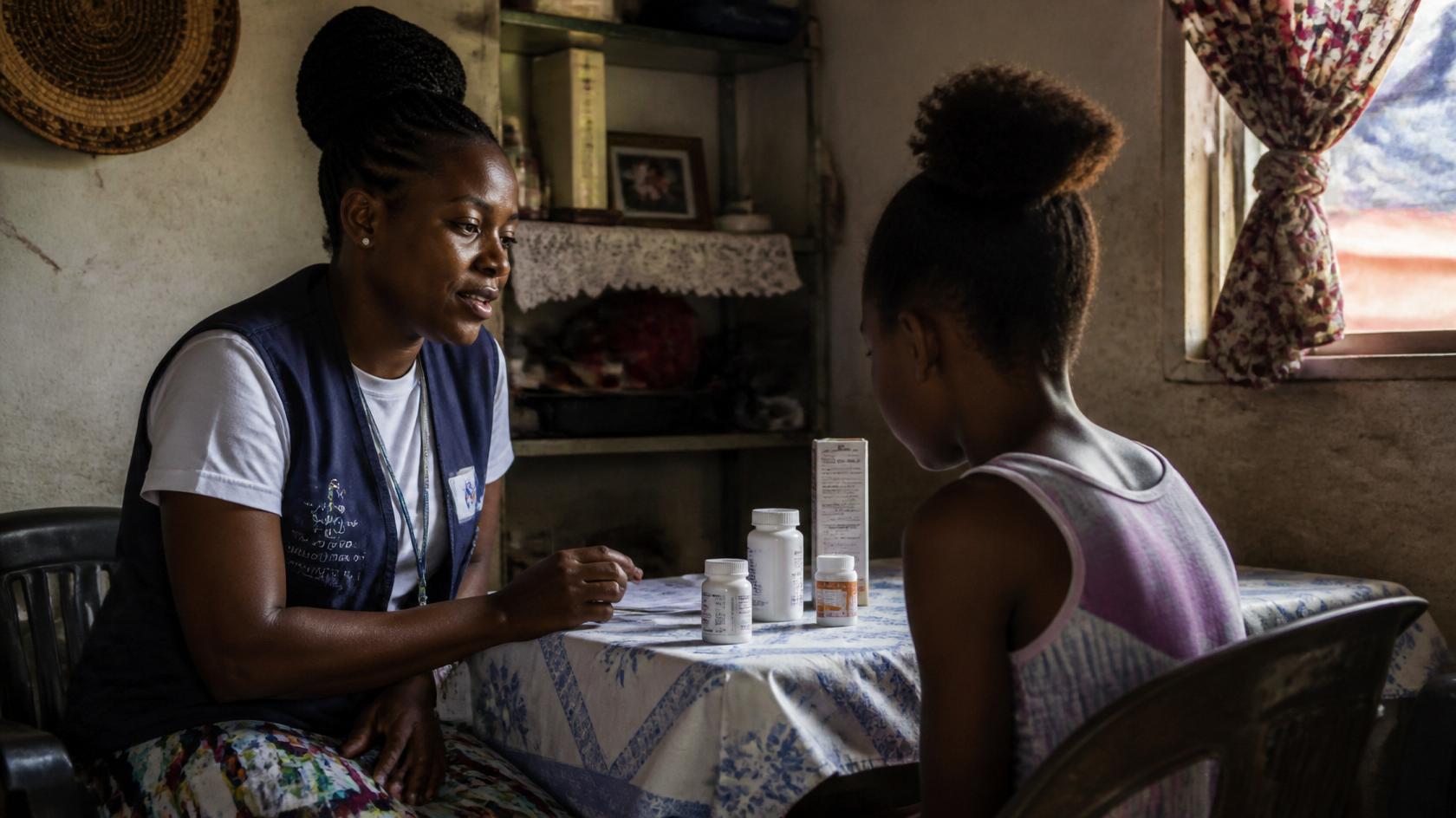
How Community Support Helped Raquel Take Control of Her HIV Treatment

Country & district/site: Mozambique Organisation: MATRAM Main AHD area: ART Adherence, Adolescent HIV What Was

Read More

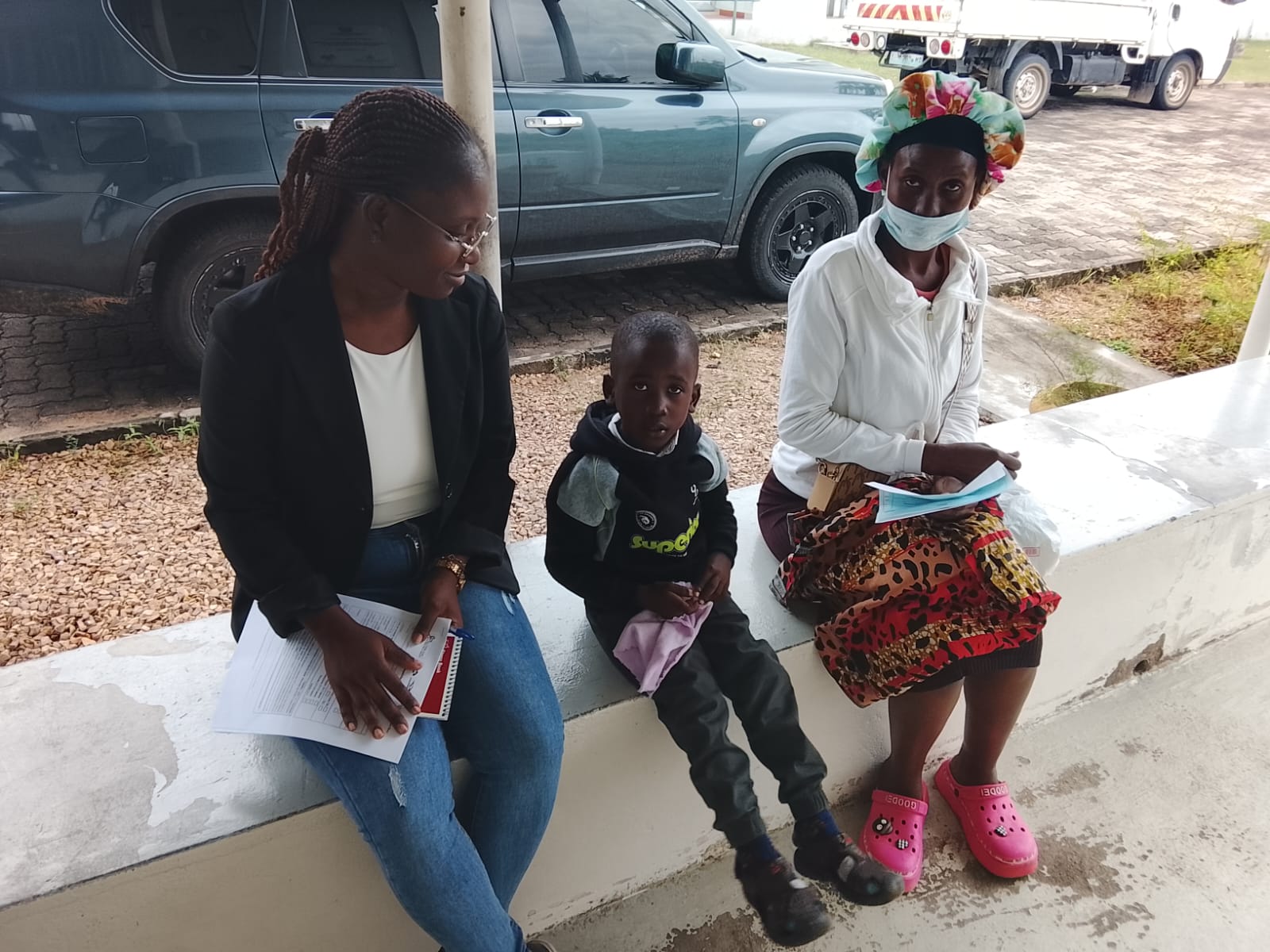
When the Activists Came Knocking

Country & district/site: Mozambique – Tsalala, Matola CityOrganisation: MATRAMMain AHD area: Paediatric AHD, Referral &

Read More

Videos and Webinars

Partners

Solverwp- WordPress Theme and Plugin