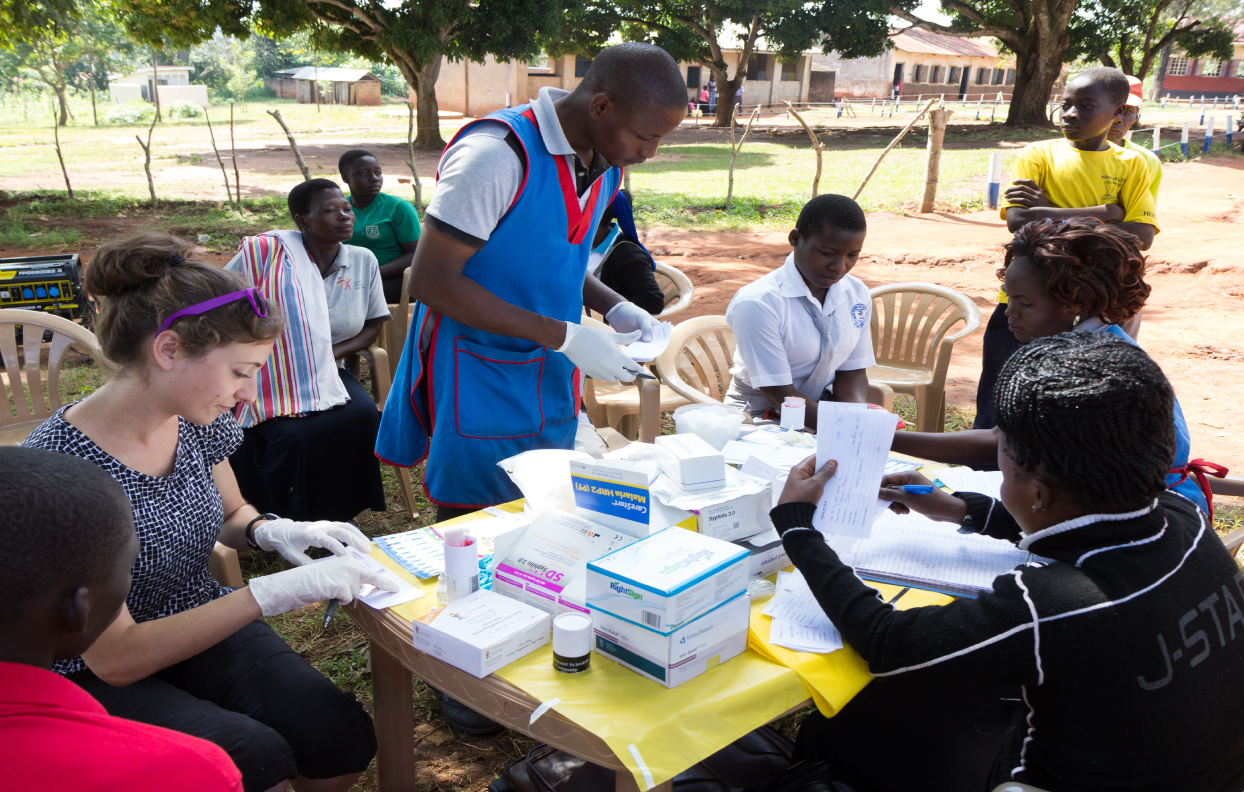

On this page, explore how research drives progress in AHD care — with access to key studies, clinical trial results, guidelines, and insights shaping policy and practice across sub-Saharan Africa.
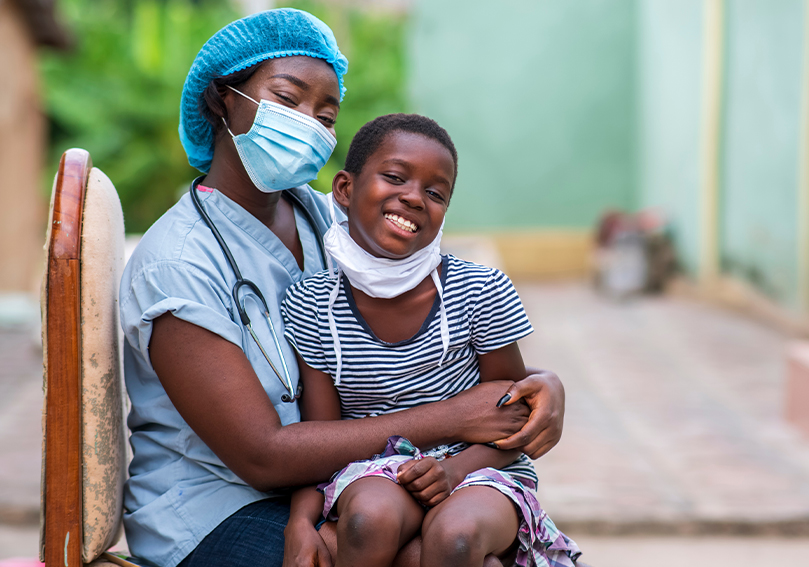
This page offers clinical resources, training tools, patient support, policy content, multimedia, and accessibility features — all designed to support comprehensive care and education.
AHD in Children
Advanced HIV Disease (AHD) in children remains a critical public health concern, particularly in ountries with high HIV burdens. AHD occurs when the immune system is severely compromised by HIV, rendering the body more susceptible to life-threatening infections.
For children under five years of age, their immune systems are still developing. If they are diagnosed with HIV, they are automatically deemed to have AHD. This is due to their bodies being at an even greater risk of serious illness without prompt and effective treatment.
Why this matters
Children (ages 0–14) were living with HIV as of 2023
New pediatric HIV infections occurred that year
Children died from AIDS-related illnesses (WHO, 2024)
Without treatment, 50% of HIV-positive infants will die by age 2, and 80% by age 5. These numbers reflect not just a treatment gap, but a care and equity gap.
Barriers to Timely Diagnosis and Treatment
Children with AHD face several urgent challenges:
- Late Diagnosis: Limited access to early infant diagnosis (EID) means many children are only diagnosed after they become seriously ill.
- Health System Gaps: Some regions lack peadiatric-specific commodities, trained providers, or decentralised services.
- Social Factors: Poverty, stigma, and caregiver hesitation can delay or prevent treatment.
The STOP AIDS Toolkit: A Lifesaving Package for Advanced HIV Disease
When someone has advanced HIV disease (AHD), they are at high risk of serious infections and death. The STOP AIDS toolkit helps health workers deliver a package of care that can save lives. STOP = Screen. Treat. Optimise. Prevent.
1. S = SCREEN
Find out what’s going on.
- Do a CD4 test to check immune system strength
- Use TB LAM test to check for tuberculosis
- Use CrAg test to screen for cryptococcal meningitis (CD4 <100)
Why it matters: Many people have serious infections that are not visible. These quick tests can catch them early.
2. T = TREAT
Start the right treatment fast.
- For TB: Start appropriate TB therapy
- For cryptococcal meningitis: Use antifungal treatment (liposomal amphotericin B + fluconazole if available)
- For bacterial infections: Use antibiotics like ceftriaxone as needed
Why it matters: Delays in treatment can be deadly. Treat the infection immediately based on what’s found.
3. O = OPTIMISE ART
Start or restart HIV treatment quickly.
- Begin antiretroviral therapy (ART) within 7 days
- Offer same-day ART if no contraindications (e.g. no meningitis)
- Monitor side effects and support adherence
Why it matters: ART helps rebuild the immune system and prevent more infections but timing matters.
4. P = PREVENT
Stop future infections before they start.
- Give cotrimoxazole to prevent bacterial infections
- Start TB Preventive Therapy (e.g. 3HP or 6H)
- Provide fluconazole prophylaxis (if CrAg+ without symptoms)
- Offer adherence support and counselling
Why it matters: Prevention saves lives. These simple meds can keep people from getting sick again.
The STOP AIDS Toolkit is endorsed by the World Health Organization and partners. When used together, these steps can reduce deaths from AHD by more than 25%.
How IMPAACT4HIV Is Taking Action for Children
The IMPAACT4HIV project, funded by Unitaid, aims to reduce deaths caused by AHD by improving access to early diagnosis and treatment, especially for children. The project focuses on:
- Adapting the STOPAIDS Toolkit for Frontline Use: We’re simplifying the toolkit to ensure it’s practical and usable by healthcare workers in busy facilities and rural settings, especially those working with children.
- Developing a Pediatric AHD Training Toolkit: Based on the WHO STOPAIDS model, we’re creating a training package for community health workers and clinical teams to better identify, treat, and support children with AHD.
- Strengthening Community-Based Care: By working with civil society organizations and health facilities, the project supports more localized diagnosis, referral, and follow-up, so care is accessible to children where they live.
- Ensuring Equitable Access to Tests and Medicines: We advocate for reliable supply chains for CD4 tests, Cotrimoxazole, TB preventive treatment, and child-friendly ART formulations, while also working to reduce stockouts and delays.
- Mobilizing Community Demand: We work hand-in-hand with local partners to reduce stigma, promote early treatment, and ensure that no child is left behind.