IMPAACT4HIV

On this page, explore how research drives progress in AHD care — with access to key studies, clinical trial results, guidelines, and insights shaping policy and practice across sub-Saharan Africa.

This page offers clinical resources, training tools, patient support, policy content, multimedia, and accessibility features — all designed to support comprehensive care and education.

What is AHD? 

Advanced HIV Disease, or AHD, happens when HIV has severely weakened the immune system. This makes it harder for the body to fight infections and increases the risk of serious illness, especially from conditions such as tuberculosis, cryptococcal meningitis and severe bacterial infections. According to the World Health Organisation, AHD is defined as:

  • Adults, adolescents and children aged 5 years and older: CD4 count below 200 cells/mm³ or WHO clinical stage 3 or 4.
  • Children younger than 5 years: All children living with HIV are considered to have AHD, regardless of CD4 count, because they are at higher risk of rapid disease progression and severe illness.

A person can have AHD when they are first diagnosed with HIV, when they return to care after stopping treatment, or when HIV treatment is not working well. Many people only find out they have HIV when they become seriously ill.

AHD vs AIDS: Understanding the Difference

Advanced HIV Disease (AHD) and Acquired Immunodeficiency Syndrome (AIDS) are closely related terms used to describe people with severe HIV-related immune suppression and a high risk of serious illness. Both are commonly associated with a CD4 count below 200 cells/mm³ and serious opportunistic infections. However, AHD is a broader concept. 


AIDS refers to the most advanced stage of HIV infection and includes AIDS-defining illnesses. 


Advanced HIV Disease (AHD) is the term used by the World Health Organisation to identify people who require enhanced HIV care. It includes adults and adolescents with a CD4 count below 200 cells/mm³ or WHO stage 3 or 4 disease, as well as all children under five years of age living with HIV who present for care. The concept of AHD recognizes that people may be at high risk of severe illness and death before developing AIDS-defining conditions. By identifying people earlier, health workers can provide targeted screening, diagnosis, treatment, and follow-up to prevent avoidable illness and death. 


Today, AHD is widely used in HIV programs and clinical guidelines because it helps identify those most in need of urgent, comprehensive care. 

Acquired Immunodeficiency Syndrome (AIDS)

🔴Clinical diagnosis 

  • Associated with AIDS defining (stage 4) illnesses 
  • Primarily used to describe the most advanced stage of HIV infection 
  • Describes severe HIV related immune suppression 
  • Still used in clinical, surveillance, and advocacy settings 

Advanced HIV Disease (AHD)

🟡WHO clinical and public health term 

  • Includes CD4 <200 cells/mm³ or WHO stage 3 or 4 disease 
  • Includes all children under 5 years living with HIV who are not on ART for over two years, who present for care 
  • Helps identify people who need enhanced HIV care 
  • Commonly used in current HIV guidelines and programs 

Acquired Immunodeficiency Syndrome (AIDS)

🔴  AIDS is the acronym of “Acquired Immunodefficiency syndrome”. It refers to  the final and most advanced stage of HIV when it is not treated or when treatment has failed.

  • At this point, the immune system is severely weakend, people are at high risk of life-threatening illness and characterized by presenting severe opportunistic infections.
  • AIDS is a term that is phased out as it is also associated with high levels of stigma. It was used in the early times of the pandemic.

Advanced HIV Disease (AHD)

🟡 Refers to advance stage of HIV infection, characterized by severe immune suppression and/or presence of opportunistic infections.

  • Includes any person >5yo living with HIV and presenting with stage 3 or stage 4 opportunistic infections, and all children under 5 (not established on ARVs) who present for HIV care, regardless of symptoms.
  • This definition recognizes that the immune system can be significantly weakened before presenting with clinical sings/symptoms of opportunistic infections. By identifying people earlier, health workers can act sooner, treat infections early, and prevent avoidable deaths.

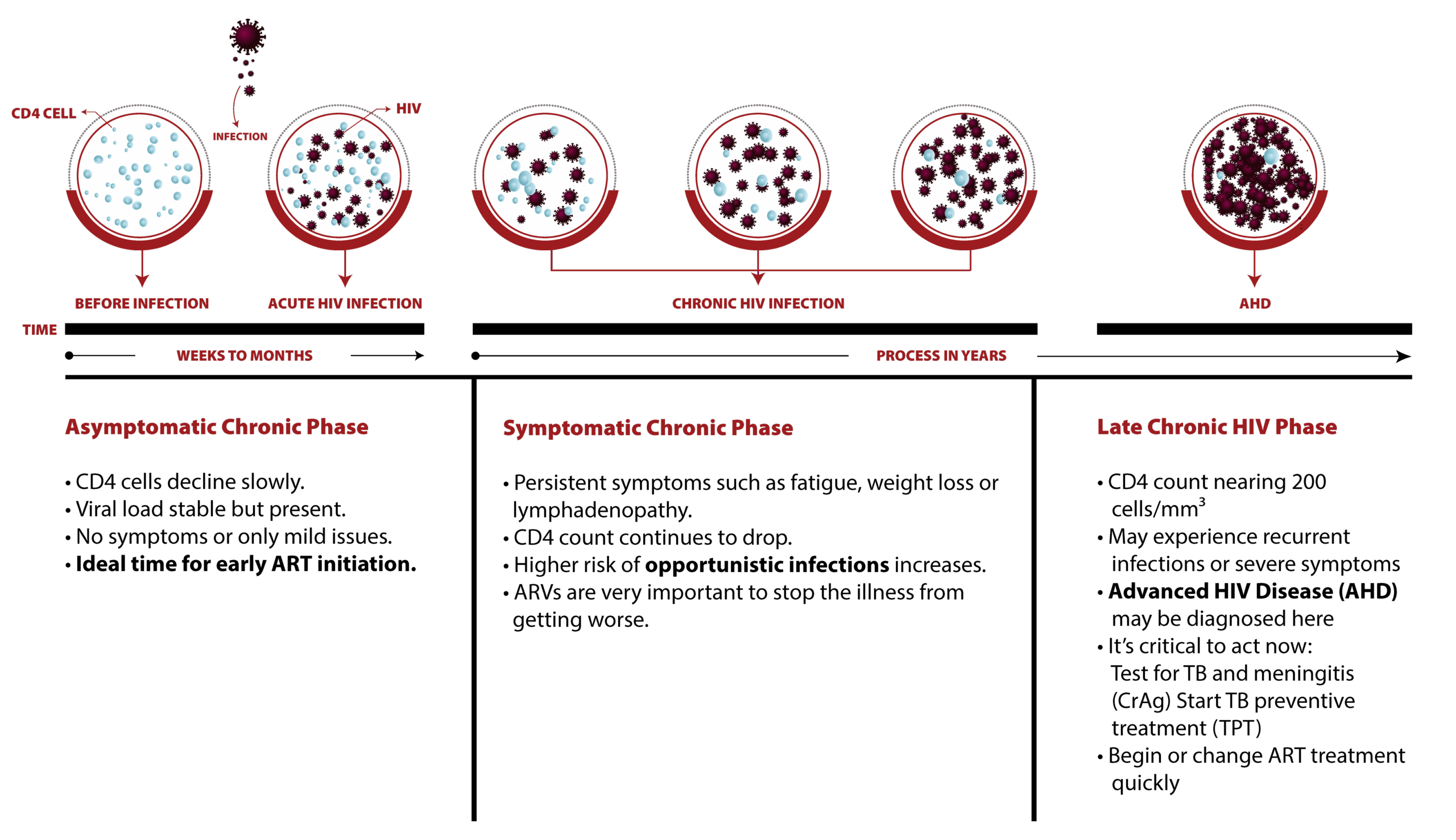
Progression of HIV infection to AHD

The STOP AIDS Toolkit: A Lifesaving Package for Advanced HIV Disease

When someone has advanced HIV disease (AHD), they are at high risk of serious infections and death. The STOP AIDS toolkit helps health workers deliver a package of care that can save lives. STOP = Screen. Treat. Optimise. Prevent.

1. S = SCREEN

Find out what’s going on. 

  • Do a CD4 test to check immune system strength 
  •  Use TB LAM test to check for tuberculosis 
  • Use CrAg test to screen for cryptococcal meningitis (CD4 <100) 


Why it matters: Many people have serious infections that are not visible. These quick tests can catch them early. 

2. T = TREAT

Start the right treatment fast. 

  • For TB: Start appropriate TB therapy 
  • For cryptococcal meningitis: Use antifungal treatment (liposomal amphotericin B + fluconazole if available) 
  • For bacterial infections: Use antibiotics like ceftriaxone as needed 


Why it matters: Delays in treatment can be deadly. Treat the infection immediately based on what’s found. 

3. O = OPTIMISE ART

Start or restart HIV treatment quickly. 

  • Begin antiretroviral therapy (ART) within 7 days 
  • Offer same-day ART if no contraindications (e.g. no meningitis) 
  • Monitor side effects and support adherence 


Why it matters: ART helps rebuild the immune system and prevent more infections but timing matters. 

4. P = PREVENT

Stop future infections before they start. 

  • Give cotrimoxazole to prevent bacterial infections 
  • Start TB Preventive Therapy (e.g. 3HP or 6H) 
  • Provide fluconazole prophylaxis (if CrAg+ without symptoms) 
  • Offer adherence support and counselling 


Why it matters: Prevention saves lives. These simple meds can keep people from getting sick again. 

The STOP AIDS Toolkit is endorsed by the World Health Organization and partners. When used together, these steps can reduce deaths from AHD by more than 25%.

AHD Signs and Symptoms

When a person’s immune system is damaged by HIV, it can no longer fight off infections and diseases. At this stage, HIV has progressed to AHD. The immune system is weakened, leaving the body at risk for opportunistic infections (OIs), that take advantage of the weakened immune system.


Symptoms of AHD include:

Unexplained weight loss

Chronic diarrhea

Persistent fever and night sweats

Coughing and difficulty breathing

Extreme fatigue

These symptoms can also be signs of other conditions, which is why it’s important for healthcare workers to be trained in recognising AHD and opportunistic infections.

Who is at Risk for AHD?

Anyone living with HIV can develop Advanced HIV Disease, but it usually occurs when HIV has been undiagnosed, left untreated or poorly managed.

People who don’t start HIV treatment early or don’t follow their treatment plan are more likely to develop AHD.

AHD is typically diagnosed in people with a low CD4 count (less than 200 cells/mm³) or those who have developed opportunistic infections.

People who don’t start HIV treatment early or don’t follow their treatment plan are more likely to develop AHD.

Leading Causes of Mortality in Advanced HIV Disease

Tuberculosis (TB)
30%
Cryptococcal Meningitis
19%
Severe Bacterial Infections
15%

These three conditions collectively account for approximately 64% of AHD-related deaths.

AHD is diagnosed through screening a combination of:

1. CD4 Count: A CD4 count below 200 cells/mm³ is a key indicator of AHD.

2. Opportunistic Infections (OIs): The presence of diseases such as TB or certain cancers, which are common in people with AHD.

3. Other HIV-Related Conditions: Conditions like Kaposi Sarcoma, severe fungal infections, or chronic diarrhea may also indicate AHD.

Regular testing for CD4 count and viral load, along with screening for opportunistic infections, helps healthcare workers identify AHD early.

Without proper treatment, AHD can lead to higher rates of morbidity (illness) and mortality (death). People with AHD are more likely to develop severe infections that can overwhelm the body. Some of these infections, like TB, are more common in places with high HIV rates.

Global Impact:

  • AHD contributes to the high number of HIV-related deaths.
  • People with AHD often need more intensive care, which can place a strain on healthcare systems.
  • There is also a significant impact on the individuals and families affected, with social and economic consequences that extend beyond health.

Managing AHD involves a combination of treatments and supportive care. Early diagnosis and treatment are key to reducing complications and improving outcomes for people living with AHD.

Key management strategies include:

  • ART (Antiretroviral Therapy): Starting ART as soon as possible to suppress the virus and boost the immune system.
  • Treatment of Opportunistic Infections: Antifungals, antibiotics, and antivirals are often prescribed to prevent or treat infections like TB, pneumonia, and others.
  • Nutritional Support and Psychosocial Care: Proper nutrition and mental health support help strengthen the body and improve recovery.

An integrated care approach—combining ART, treatment for OIs, and holistic care—is essential for managing AHD effectively.

The good news is that AHD is preventable. With early diagnosis and early ART initiation, people with HIV can avoid progressing to AHD.

To prevent AHD:

1. Get Tested Regularly: Regular HIV testing helps detect the virus early, allowing for immediate treatment.

2. Start ART Early: Begin antiretroviral therapy as soon as HIV is diagnosed. Starting treatment early helps prevent the immune system from weakening.

3. Adhere to Treatment: Consistently taking ART as prescribed can keep the virus under control and the immune system strong.

4. Regular Check-Ups: Regular monitoring of CD4 counts and viral load helps ensure the treatment is effective and makes adjustments when needed.

Add content above into a clickable infographic where users can explore the key interventions for managing AHD in detail.
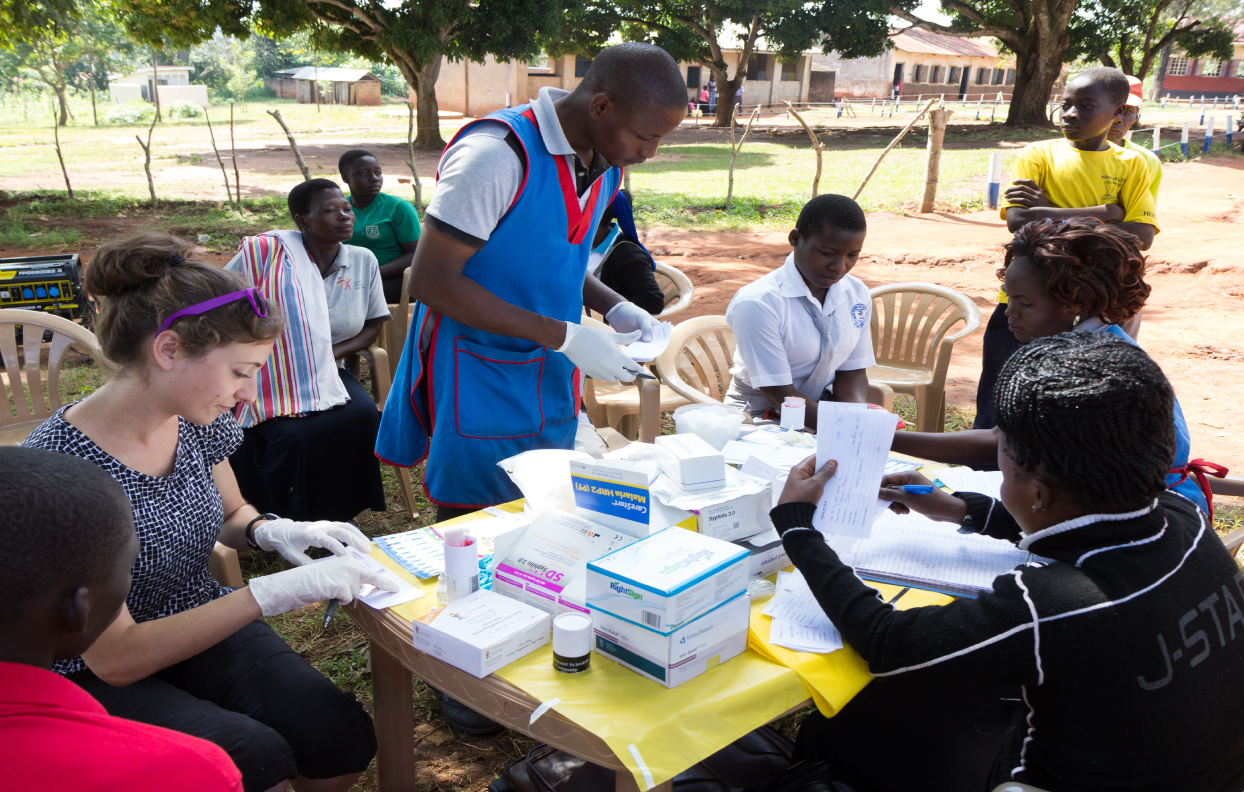
Efforts to address Advanced HIV Disease (AHD) include initiatives like the IMPAACT4HIV Consortium, led by the Aurum Institute, and the THRIVE Consortium, led by the Clinton Health Access Initiative (CHAI). These consortia collaborate globally to provide evidence-based strategies, enhance service delivery, engage communities, and advocate for policy changes aimed at improving the prevention, care, and treatment of AHD.

For Healthcare Workers: Learn about the signs and symptoms of AHD, and start ART early for patients living with HIV. Regularly check CD4 counts and viral loads.

Clinical tools

For Communities: Advocate for HIV testing and ART access. Support people living with HIV by reducing stigma and providing mental health and nutritional support.

Community tools and training

For Policymakers: Ensure access to quality HIV care, including ART and treatment for opportunistic infections. Support research into new treatment options.

Generating Evidence

Together, we can reduce the burden of AHD and improve the lives of people living with HIV.

Solverwp- WordPress Theme and Plugin