
IMPAACT4HIV

On this page, explore how research drives progress in AHD care — with access to key studies, clinical trial results, guidelines, and insights shaping policy and practice across sub-Saharan Africa.

This page offers clinical resources, training tools, patient support, policy content, multimedia, and accessibility features — all designed to support comprehensive care and education.

Community Engagement 

Support for Communities & Caregivers

If you are caring for someone living with HIV or Advanced HIV Disease (AHD), this page provides guidance, tools, and support to help you take action.

What Can I Do?

Understand AHD


Learn what AHD is and why early care matters

Get Care Quickly


Follow steps to access testing and treatment

Support Someone at Home


Learn how to care for someone on treatment

Take Action in Your Community


Join advocacy, support groups, or local programmes

Stories & Tools from the Field

Community Success Stories 

See how our partners are creating change from increasing TB diagnostic access in rural Mozambique to building youth advocacy movements in Nigeria. 

From Evidence to Action: Using Community-Led Monitoring to Strengthen AHD Services

Country & district/site: Mozambique – Matola Provincial Hospital and Manhiça Health CentreOrganisation: MATRAMMain AHD area:

Read More
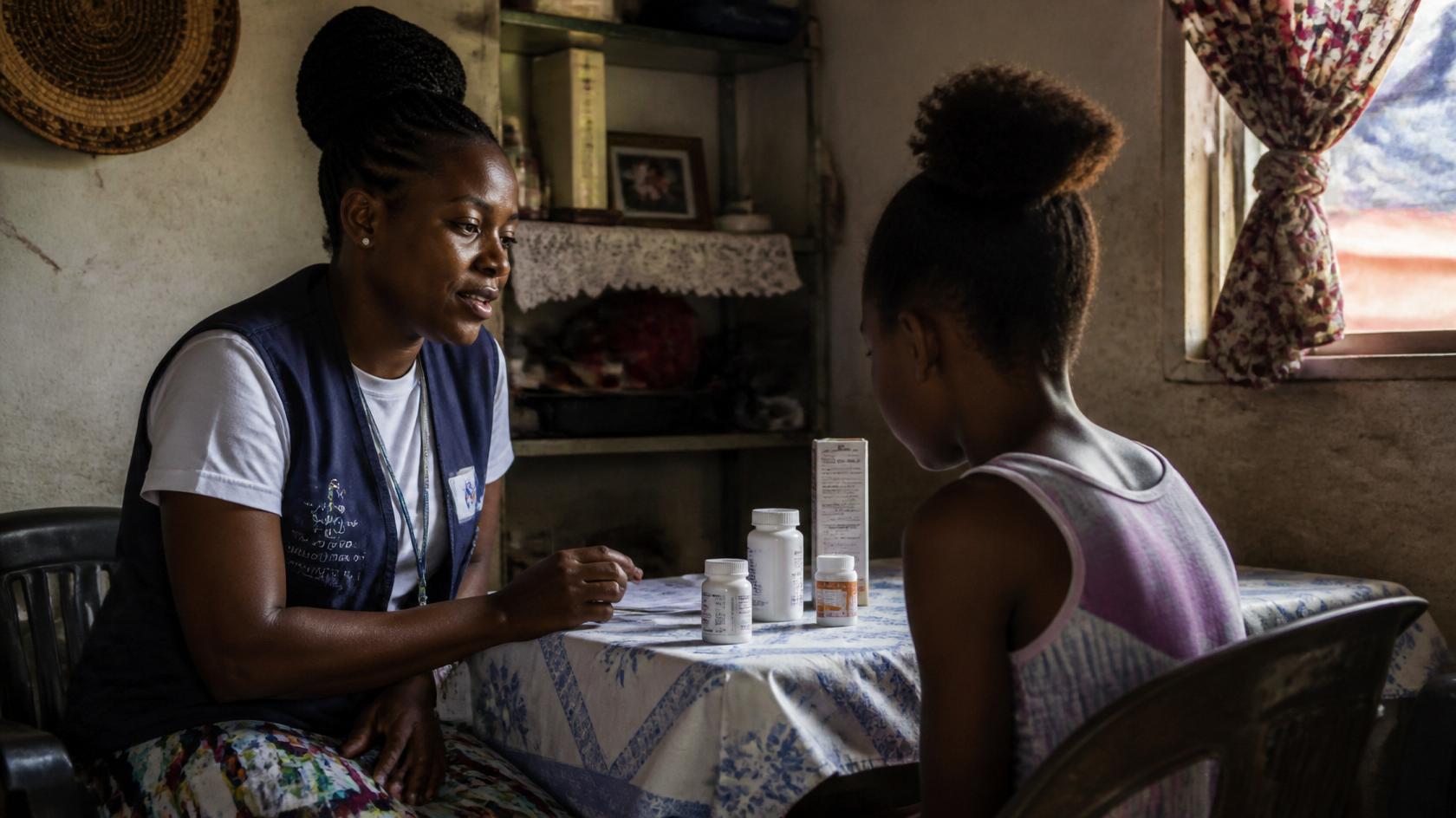
How Community Support Helped Raquel Take Control of Her HIV Treatment

Country & district/site: Mozambique Organisation: MATRAM Main AHD area: ART Adherence, Adolescent HIV What Was

Read More
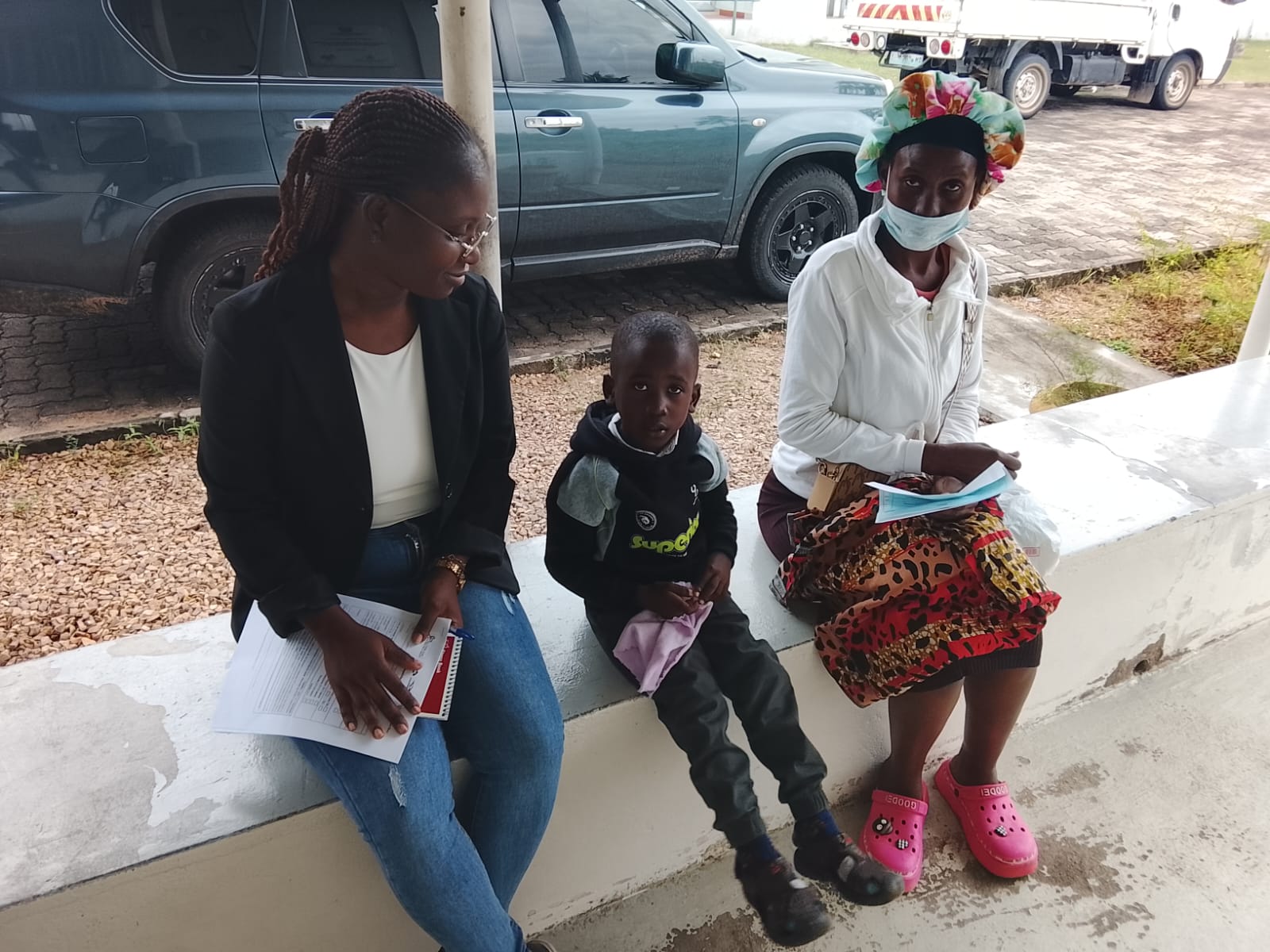
When the Activists Came Knocking

Country & district/site: Mozambique – Tsalala, Matola CityOrganisation: MATRAMMain AHD area: Paediatric AHD, Referral &

Read More

Advocacy Tools & Resources 

Access our growing library of tools, including policy briefs, training guides, and community monitoring templates to drive your own advocacy.

Why Communities Matter

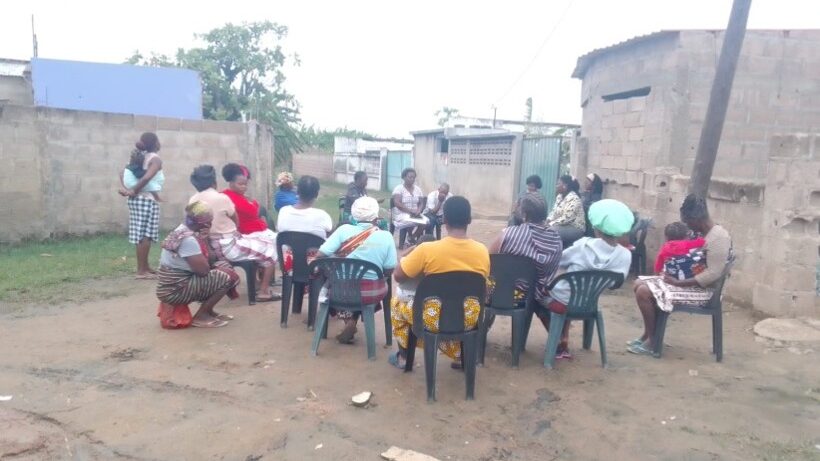
Communities play a key role in identifying people who need care, supporting treatment, and improving health services. Community-led efforts help ensure people living with HIV receive the care they need, when they need it.

Communities at the Heart of the AHD Response

The IMPAACT4HIV project centers the voices, needs, and leadership of communities in the response to Advanced HIV Disease (AHD). Through strategic partnerships with civil society organizations (CSOs), national PLHIV networks, and community health workers (CHWs), we are transforming how AHD services are delivered and ensuring no one is left behind.

Community Partners

Our community-led efforts are driven by the IMPAACT4HIV Community Cohort, coordinated by the Paediatric–Adolescent Treatment Africa (PATA) and the Aurum Institute in close collaboration with country teams and in-country implementing partners. Together, we support a dynamic network of civil society organizations (CSOs) and grassroots champions working to improve access to care for people with Advanced HIV Disease (AHD). We also foster partnerships with national government agencies to ensure that community voices are represented in key decision-making platforms and policy forums across the following countries.   

Lefika La Ka is a South African health and social justice organization committed to amplifying the voices of communities and strengthening the delivery of health services. Through policy advocacy, grassroots mobilization, and health systems engagement, Lefika La Ka works to ensure that interventions meaningfully impact the lives of people affected by HIV and other health conditions. 

Consortium Partners: 

  • LifeLine South Africa – A national provider of 24/7 confidential support and counselling services, LifeLine operates the national AIDS helpline and offers psychosocial support for individuals affected by trauma, HIV, and gender-based violence.

UCOP+ unites organizations across all provinces of the DRC to advocate for the rights and wellbeing of people living with HIV. Through national coordination, support groups, and advocacy, UCOP+ strengthens the voice of communities in health decision-making.

Consortium Partners: 

  • RNOAC (Réseau National des Organisations d’Auto-support des personnes vivant avec le VIH/SIDA en RDC) – A national platform for self-led organizations working to improve quality of life and health access for people living with HIV. 
  • Jeunesse Espoir – A youth-led organization tackling stigma and misinformation while promoting HIV prevention and health-seeking behavior among young people. 


Each civil society partner plays a critical role in mobilizing communities, training and deploying community health workers, advocating for better access to care for Advanced HIV Disease (AHD), and monitoring health services through community-led monitoring (CLM) initiatives. 

MATRAM is a national civil society leader in HIV advocacy, known for its tireless work improving treatment access, particularly in remote and underserved communities. The organization has played a key role in pushing for routine viral load testing, pediatric AIDS prevention, and equitable access to lifesaving medicines.

Established in 2006, NETHIPS serves as the national umbrella body for people living with HIV in Sierra Leone. It promotes self-representation, strengthens civil society engagement, and leads national efforts to improve health services and reduce stigma through advocacy, capacity building, and peer support. 

ANAYD is a youth-centered network driving transformative change for adolescents and young people across Nigeria and the continent. The organization leads initiatives in HIV prevention and care, sexual and reproductive health and rights (SRHR), gender-based violence prevention, and youth empowerment.

Consortium Partner: 

  • SWATCH (Society for Women and AIDS in Africa – Kano State) – A long-standing community-based organization dedicated to advancing women’s health and rights in northern Nigeria, with a focus on HIV/AIDS education, treatment literacy, and gender justice. 

RIP+ is the leading national network of organizations for people living with HIV in Côte d'Ivoire. The network plays a central role in community mobilization, legal advocacy, media engagement, and health rights education. RIP+ also supports policy advocacy and evidence generation to improve HIV-related outcomes.

Collaborations

We work closely with national stakeholders and global partners to strengthen the community response to AHD. These collaborations include strategic partnerships with AFROCAB, the Fight AIDS Coalition (FAC), the AHD Alliance, and many others. Together, we are building a united front to elevate community priorities, drive accountability, and accelerate access to lifesaving AHD services. 


We collaborate with: 

  • National PLHIV Networks – Leading national advocacy and peer-driven care efforts 
  • CSOs and grassroots movements – Mobilizing and monitoring HIV responses 
  • Ministries of Health and AIDS Councils – Coordinating policy and service improvements 
  • Technical and academic institutions – Supporting evidence-based interventions 
  • Donors and global initiatives – Including Unitaid, Global Fund, and PEPFAR, ensuring resources reach community-led programs 


Explore the impact of these partnerships in our Community Success Stories and access practical Advocacy Tools to support your work. 

Why This Matters

Communities are often the first to identify gaps in care. Strengthening community leadership helps ensure people access services and receive the care they need.

Solverwp- WordPress Theme and Plugin