
Country & district/site: Mozambique – Tsalala, Matola City
Organisation: MATRAM
Main AHD area: Paediatric AHD, Referral & Linkage, ART Adherence
What Was the Problem?
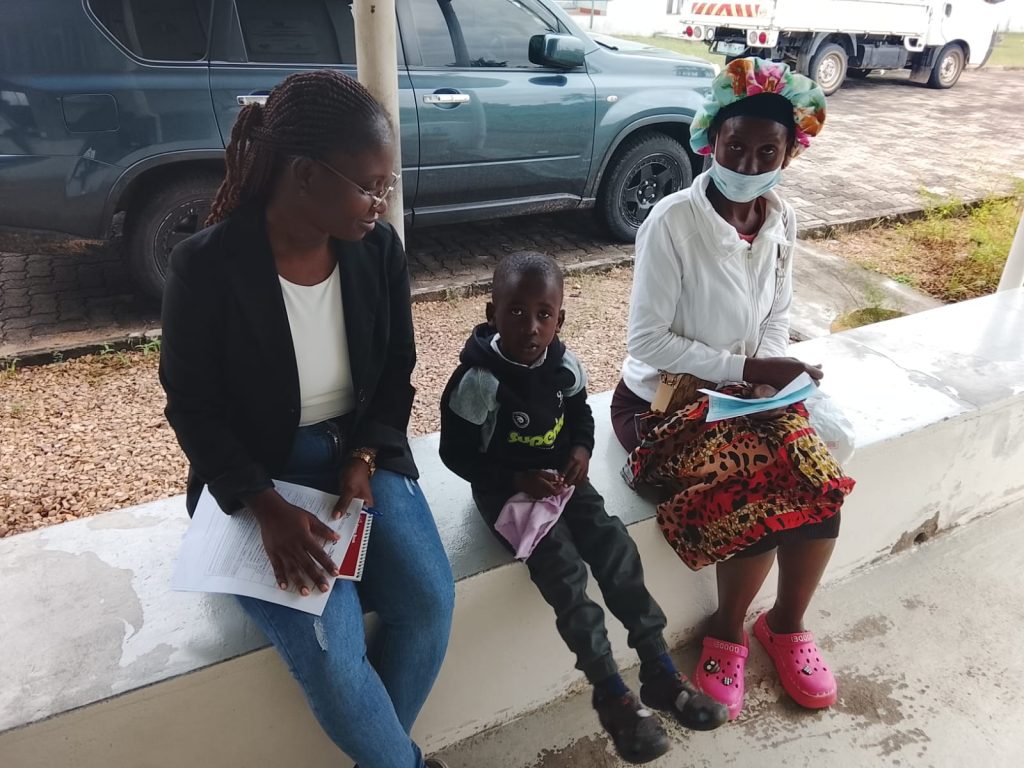
In the Tsalala neighbourhood of Matola City, a young mother was struggling to care for three children on her own after separating from their father. Her youngest child, six-month-old Gerson, had been born with HIV and was no longer breastfeeding because his mother felt unable to continue caring for him. As a result, he developed acute malnutrition and became increasingly unwell.
The family faced multiple challenges. The mother lived with HIV, had a physical disability affecting her mobility, and appeared to have difficulties understanding complex medical instructions. She had no regular income and received little support from the children’s father. Missed clinic appointments and interrupted treatment meant that both mother and child were living with Advanced HIV Disease and had effectively fallen through the cracks of the health system.
When community activists first visited the home, Gerson was visibly thin, lethargic, and showing clear signs of poor nutrition and illness. His mother did not fully understand the seriousness of his condition or the risks associated with Advanced HIV Disease. Without intervention, both mother and child faced a high risk of worsening illness and poor health outcomes.
What Did the Community Team Do?
- Conducted repeated home visits to assess the family’s situation.
- Provided counselling and education on Advanced HIV Disease, treatment adherence, and child health.
- Linked both mother and child back to health services.
- Coordinated directly with healthcare providers to ensure referrals resulted in actual care.
- Followed up continuously to prevent further missed appointments.
- Engaged and sensitised the child’s father regarding his responsibilities.
- Supported the mother throughout the child’s hospital admission and recovery.
What Changed?
- Gerson was admitted to Matola Provincial Hospital for approximately 15 days and received treatment and nutritional support.
- He was discharged and continues to receive nutritional supplementation and follow-up care.
- The mother demonstrated improved treatment adherence and a better understanding of HIV care.
- The father began contributing some support towards food and household expenses.
- The family was successfully reconnected to healthcare services and remains under community follow-up.
Why This Matters?
Families living with HIV often face multiple barriers including poverty, disability, limited health literacy, and lack of social support. Community follow-up can identify vulnerable households before health conditions become life-threatening and help ensure that referrals translate into real care.
Key Lesson
Finding vulnerable families is only the first step. Sustained community follow-up, counselling, and clinic-community collaboration are essential for improving outcomes for children living with Advanced HIV Disease.