

Country & district/site: Mozambique – Matola Provincial Hospital and Manhiça Health Centre
Organisation: MATRAM
Main AHD area: CLM/Advocacy, AHD Identification, Health Systems Strengthening
What Was the Problem?
While many people living with HIV were receiving antiretroviral treatment, community members continued to report concerns about the quality and completeness of Advanced HIV Disease services. There was limited information available on whether patients were receiving the full AHD package of care, including opportunistic infection screening, nutritional assessments, and preventive treatment.
To better understand these challenges, MATRAM conducted a Community-Led Monitoring exercise across two health facilities. The findings revealed important gaps in service delivery that routine health information systems were not capturing.
Among 60 patients surveyed, only four had been screened for Kaposi’s sarcoma or serious fungal and bacterial infections. Twenty-two had not received nutritional assessments. Some patients reported not receiving recommended cryptococcal screening and prevention services. Community members also reported poor privacy in several service areas, lack of access to clean water and sanitation facilities, and limited visibility of complaints mechanisms.
Health providers further reported shortages of key commodities including Fluconazole, Isoniazid, Pyridoxine, needles, syringes, and disinfectants. Matola Provincial Hospital also lacked functional viral load testing equipment. These gaps created barriers to quality AHD care and increased the risk of poor patient outcomes.
What Did the Community Team Do?
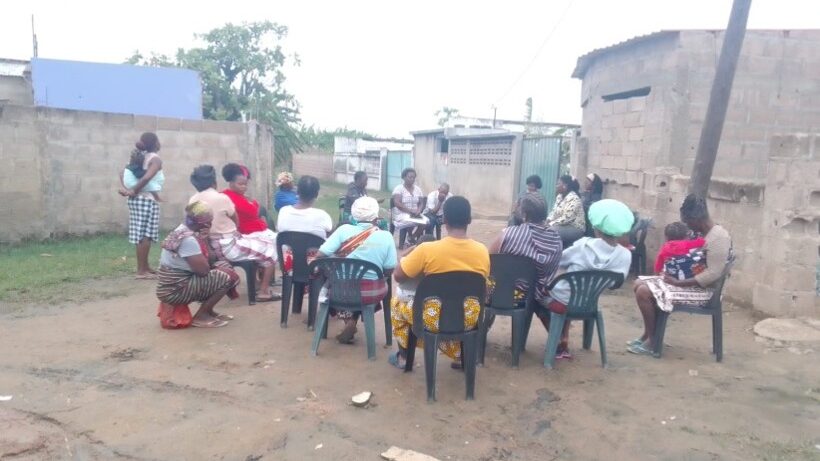
- Conducted community-led monitoring using four validated CLM tools.
- Surveyed 60 patients and consulted 24 community members.
- Conducted direct observations within health facilities.
- Engaged health committees, facility managers, and community representatives.
- Presented findings and jointly developed action plans.
- Submitted and followed up on formal complaints through accountability mechanisms.
What Changed?
- Five formal complaints were documented.
- Two complaints were resolved during the monitoring period.
- Three additional issues entered active follow-up with assigned responsibilities and timelines.
- Community-generated evidence-informed facility-level action plans.
- The monitoring process strengthened accountability between communities and health facilities.
Why This Matters?
Many barriers to quality HIV care are not visible in routine programme data. Community-Led Monitoring provides a mechanism for communities to identify service delivery gaps, advocate for improvements, and ensure that patient experiences shape health system responses.
Key Lesson
When communities are equipped to collect and use evidence, they can drive meaningful improvements in HIV services and strengthen accountability for quality AHD care.
When we go into the community with our tools and our notebooks, we are not there to judge the facility. We are there to be the voice of the person who is too sick, too tired, or too afraid to speak for themselves.
— Community Activist, MATRAM, Matola District, 2026

Read the full case study here.