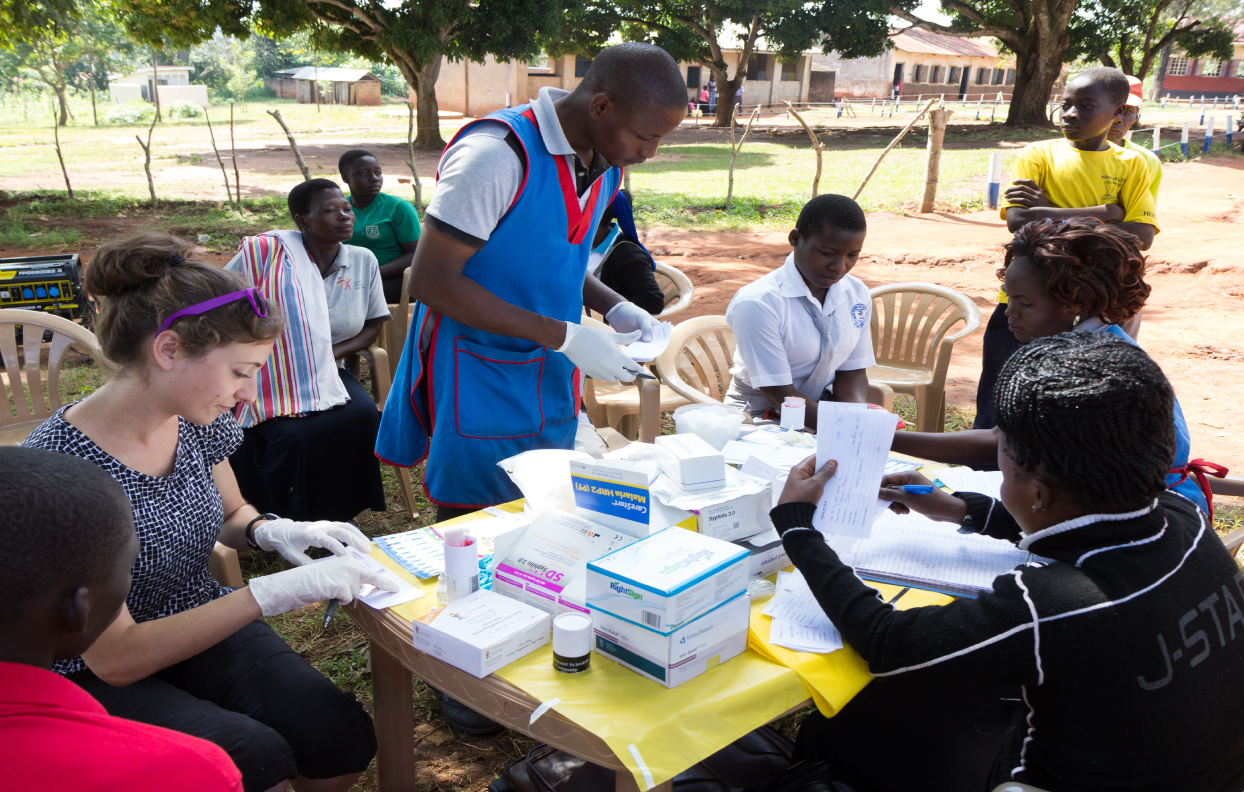

On this page, explore how research drives progress in AHD care — with access to key studies, clinical trial results, guidelines, and insights shaping policy and practice across sub-Saharan Africa.
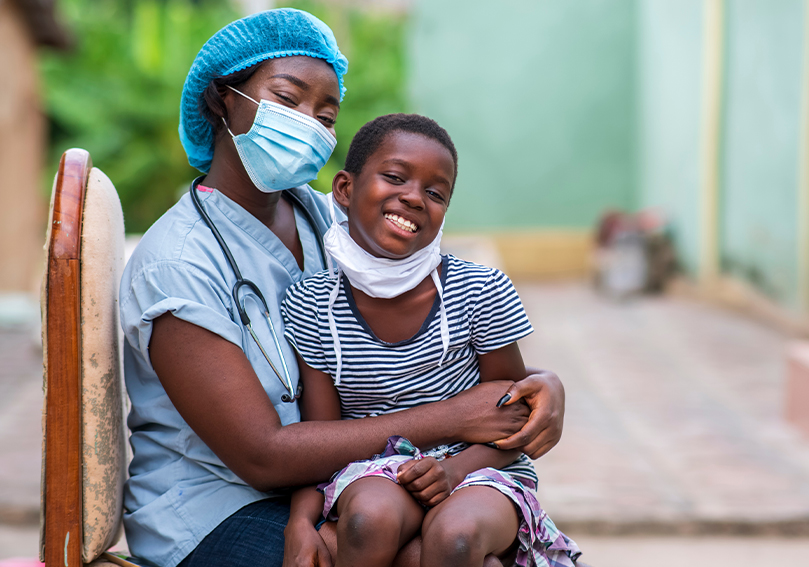
This page offers clinical resources, training tools, patient support, policy content, multimedia, and accessibility features — all designed to support comprehensive care and education.
What is AHD?
Advanced HIV Disease (AHD) happens when a person’s immune system becomes severely weakened by the virus. This can happen when the virus is left untreated or poorly managed, causing significant damage to the body’s ability to fight infections and illnesses. According to the World Health Organisation (WHO), AHD is defined as:
- For adults and adolescents: CD4 count less than 200 cells/mm³ or WHO clinical stage 3 or 4.
- For children under 5 years old: All are considered to have AHD, regardless of CD4 count, due to their high risk of severe illness.
People can present with AHD at the time of diagnosis, or after stopping and restarting HIV treatment. Many do not even know they have HIV until they fall seriously ill. AHD is responsible for a large share of HIV-related deaths, but it can be prevented and managed with the right tools.
AHD in Children
Advanced HIV Disease (AHD) in children remains a critical public health concern, particularly in ountries with high HIV burdens. AHD occurs when the immune system is severely compromised by HIV, rendering the body more susceptible to life-threatening infections.
For children under five years of age, their immune systems are still developing. If they are diagnosed with HIV, they are automatically deemed to have AHD. This is due to their bodies being at an even greater risk of serious illness without prompt and effective treatment.
Opportunistic Infections
Fungal Infections
People with advanced HIV are prone to fungal infections that a healthy immune system would normally control. Key fungal infections include:
- Cryptococcal Meningitis
- Histoplasmosis
- Pneumocystis Pneumonia (PCP)…
Bacterial Infections
Bacteria can enter our body through the air we breathe, like tiny germs in coughs and sneezes. These germs often settle in the nose and throat first (this is called “carriage”). From there, they can:
- Move into the lungs and cause pneumonia (a serious chest infection)…
Parasitic Infections
AHD also predisposes individuals to various parasitic infections, especially those causing diarrhea or neurological disease. Key ones to know:
- Toxoplasmosis
- Cryptosporidiosis
- Strongyloidiasis…
Viral Infections
People with AHD are prone to several viral infections that can cause significant disease due to the weakened immune surveillance. Common viral infections in advanced HIV include cytomegalovirus (CMV), herpes viruses, and human papillomavirus (HPV), among others.
- Cytomegalovirus (CMV)…
Related Cancers
Kaposi Sarcoma (KS) is one of the most common cancers affecting people with Advanced HIV Disease (AHD), especially in regions where HIV prevalence is high. Caused by the human herpesvirus-8 (HHV-8), KS can be life-threatening when it spreads to internal organs or causes respiratory distress. Recognising and treating KS early is key to reducing HIV-related deaths.
Nutrition in AHD
When someone is living with Advanced HIV Disease, their body is under constant stress from both the virus and other infections. Opportunistic infections (OIs) like chronic diarrhea (caused by organisms like Cryptosporidium or Isospora), tuberculosis, or oral thrush often reduce appetite, increase nutrient loss, and make it difficult to absorb food.
AHD happens when a person’s immune system becomes very weak, and they are at high risk of serious infections or death.
As a CHW, you may come across people with AHD in your community. This can include:
- Someone living with HIV who never started ARVs
- Someone who stopped taking ARVs and got sick again
- Someone who is on treatment but still very sick (especially with other infections)
Look Out for These Danger Signs:
When visiting households or support groups, be alert if someone shows:
- Long-lasting fever or sweating at night
- Significant weight loss or looking very thin
- A cough that doesn’t go away
- Confusion, headaches, or trouble walking
- Feeling too tired or weak to move around
- These are signs they may have AHD and need urgent medical help
What You Can Do:
As a CHW, you play a key role in saving lives. Here’s how you can help:
- Encourage the person to go to the clinic right awayAsk the nurse or clinician to do a CD4 test
- Request tests for TB (using TB LAM) and meningitis (using CrAg test)
- Make sure the person starts or restarts ARVs quickly, if safe to do so
- Provide support for medication adherence and clinic follow-ups
- Keep checking on them – home visits, phone calls, or linking them to support groups
Remember:
Advanced HIV Disease is treatable.With proper care, people can recover and live full, healthy lives. You are part of the team that makes that possible.
Download CHW Job Aid: AHD Support Checklist (Link to follow)
Refer to the Facility Focal Point or Nurse-in-Charge in your district
AHD is diagnosed through screening a combination of:
1. CD4 Count: A CD4 count below 200 cells/mm³ is a key indicator of AHD.
2. Opportunistic Infections (OIs): The presence of diseases such as TB or certain cancers, which are common in people with AHD.
3. Other HIV-Related Conditions: Conditions like Kaposi Sarcoma, severe fungal infections, or chronic diarrhea may also indicate AHD.
Regular testing for CD4 count and viral load, along with screening for opportunistic infections, helps healthcare workers identify AHD early.
Without proper treatment, AHD can lead to higher rates of morbidity (illness) and mortality (death). People with AHD are more likely to develop severe infections that can overwhelm the body. Some of these infections, like TB, are more common in places with high HIV rates.
Global Impact:
- AHD contributes to the high number of HIV-related deaths.
- People with AHD often need more intensive care, which can place a strain on healthcare systems.
- There is also a significant impact on the individuals and families affected, with social and economic consequences that extend beyond health.
Managing AHD involves a combination of treatments and supportive care. Early diagnosis and treatment are key to reducing complications and improving outcomes for people living with AHD.
Key management strategies include:
- ART (Antiretroviral Therapy): Starting ART as soon as possible to suppress the virus and boost the immune system.
- Treatment of Opportunistic Infections: Antifungals, antibiotics, and antivirals are often prescribed to prevent or treat infections like TB, pneumonia, and others.
- Nutritional Support and Psychosocial Care: Proper nutrition and mental health support help strengthen the body and improve recovery.
An integrated care approach—combining ART, treatment for OIs, and holistic care—is essential for managing AHD effectively.
The good news is that AHD is preventable. With early diagnosis and early ART initiation, people with HIV can avoid progressing to AHD.
To prevent AHD:
1. Get Tested Regularly: Regular HIV testing helps detect the virus early, allowing for immediate treatment.
2. Start ART Early: Begin antiretroviral therapy as soon as HIV is diagnosed. Starting treatment early helps prevent the immune system from weakening.
3. Adhere to Treatment: Consistently taking ART as prescribed can keep the virus under control and the immune system strong.
4. Regular Check-Ups: Regular monitoring of CD4 counts and viral load helps ensure the treatment is effective and makes adjustments when needed.
Add content above into a clickable infographic where users can explore the key interventions for managing AHD in detail.
Efforts to address Advanced HIV Disease (AHD) include initiatives like the IMPAACT4HIV Consortium, led by the Aurum Institute, and the THRIVE Consortium, led by the Clinton Health Access Initiative (CHAI). These consortia collaborate globally to provide evidence-based strategies, enhance service delivery, engage communities, and advocate for policy changes aimed at improving the prevention, care, and treatment of AHD.
For Healthcare Workers: Learn about the signs and symptoms of AHD, and start ART early for patients living with HIV. Regularly check CD4 counts and viral loads.
Clinical tools
For Communities: Advocate for HIV testing and ART access. Support people living with HIV by reducing stigma and providing mental health and nutritional support.
Community tools and training
For Policymakers: Ensure access to quality HIV care, including ART and treatment for opportunistic infections. Support research into new treatment options.
Generating Evidence
Together, we can reduce the burden of AHD and improve the lives of people living with HIV.